.png)
1. Our Genesis: A Legacy of Love and Community Care
The vision of Wawezeshe Wasome Foundation was not born as a routine corporate concept; it originated within a family environment and was nurtured by a deep-rooted culture of community welfare.
The Initial Spark and Mwasiti’s Vision It all began with Mwasiti—a young girl living in extremely vulnerable conditions who held a strong desire for her peers to access education. This spark inspired Shamimu Mshana, the Foundation’s Executive Director, who was then her neighbor and guardian of that dream. With support from Shamimu’s uncle (a local Ten-Cell Leader), the groundwork for community support was established at the family level.
Maternal Legacy and Hospitality This tradition of hosting and supporting multiple children stemmed from the legacy of Shamimu’s mother, whose home served as a sanctuary for neighborhood children. During periods of xenophobic unrest while studying at the Co-operative University of Moshi (MoCU), she provided shelter to migrants from South Africa. For the family, community service served as a foundational lifestyle.
This practice evolved into the Wawezeshe Wasome Project, which was formally registered as a Non-Governmental Organization (NGO) dedicated to educational support for Tanzanian children.
“We received a young child from Moshi whose mother suffered from severe mental health challenges, leading to period of abandonment. The children experienced food insecurity, cold weather exposure, biological stunting, and skin conditions caused by severe malnutrition.
Shamimu’s uncle completed all legal procedures to formally assume guardianship. Today, the child is in Grade Four, healthy, and thriving. Academically, the student recently ranked 4th out of over 300 pupils in national standard examinations.”
2. The Nanja Testimony, Monduli: An Egg for a Pencil
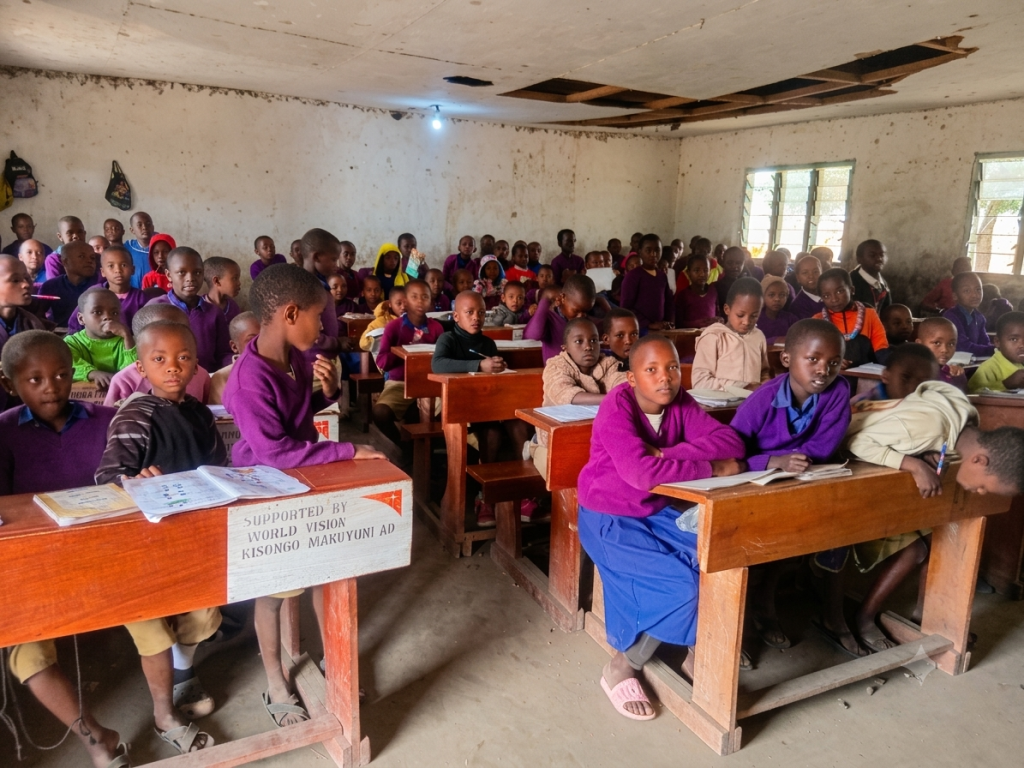
In the rangelands of Monduli District, Arusha Region, lies Nanja village. Here, the pastoralist Maasai community maintains traditional livelihoods, where children historically managed livestock rather than attending school.
Despite government efforts to establish classroom infrastructure at Nanja Primary School, a significant resource gap remained for basic learning materials.
Barriers to Education in Nanja:
-
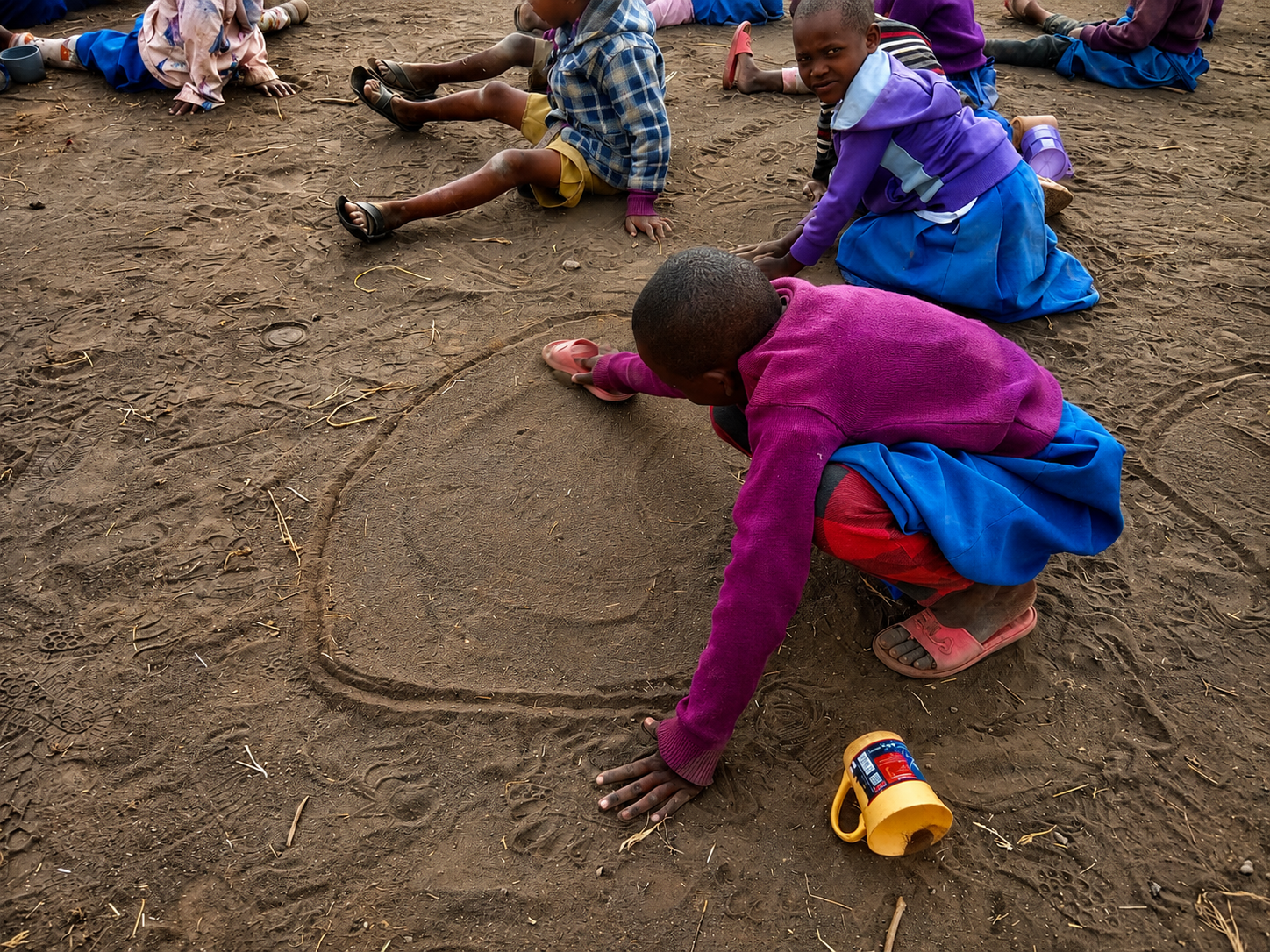
Bartering “An Egg for a Pencil”: To acquire writing utensils, pupils frequently brought raw chicken eggs from home to trade with peers for pencils or pens.
-
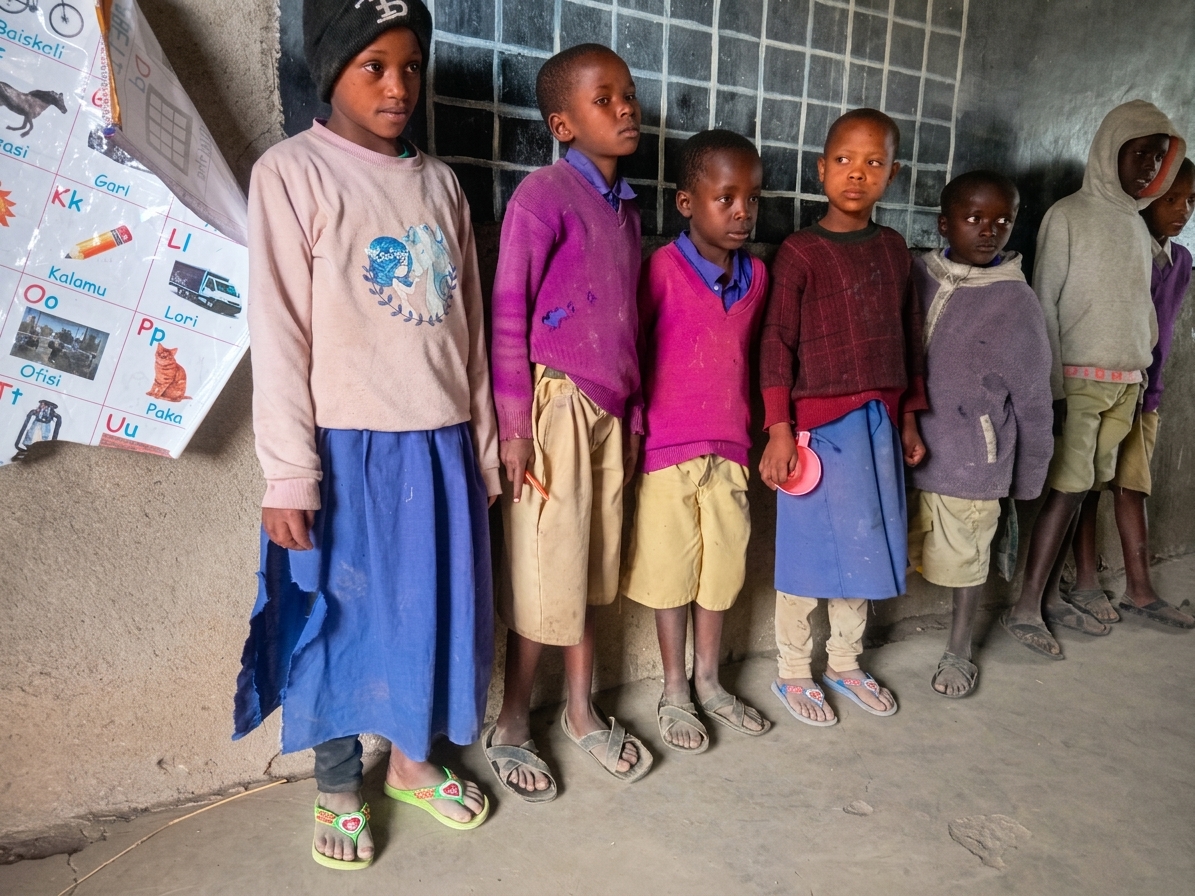
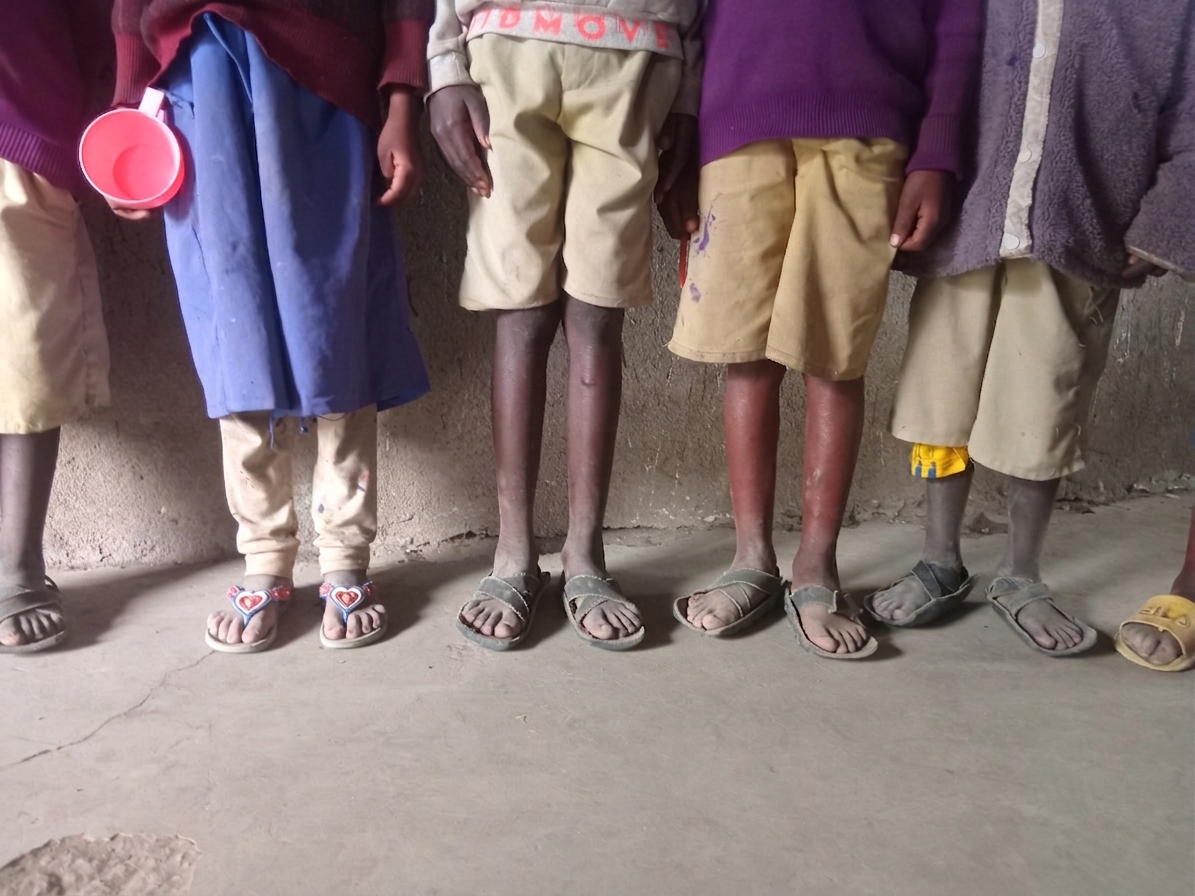
School Uniform Shortages: Many pupils, particularly girls, lacked proper uniforms, affecting their confidence and attendance.
-
Nutritional Dependency: Hunger posed a major barrier to attendance. Pupils primarily attended school due to a daily lunch program funded by a private donor. Without it, classroom attendance dropped sharply.
Intervention by Wawezeshe Wasome Foundation The Foundation implemented structured support interventions. For three consecutive years, targeted campaigns at Nanja Primary School have provided:
-
Hundreds of counter books, textbooks, supplementary readers, pens, and pencils.
-
School uniforms, with an emphasis on female pupils, to support dignity and retention.
-
Community outreach with traditional elders regarding the importance of formal education.
3. The “Sharing is Caring” Campaign: Book & Resource Drive
Field assessments highlight a major challenge in rural schools: an acute shortage of textbooks and reading materials.
To address this gap, Wawezeshe Wasome Foundation is launching a community resource drive under the theme “Sharing is Caring.” Formulated as an act of Thanksgiving, the initiative mobilizes household donations to support under-resourced schools.
How Parents and the Community Can Participate:
Parents, guardians, and stakeholders are invited to donate unused household educational items:
-
Textbooks & Reference Materials: Grade-appropriate books previously used by older children.
-
Storybooks: Fiction and general reading books that promote literacy and critical thinking.
-
School Supplies & Bags: Well-maintained backpacks, stationary, rulers, and unused notebooks.
Collection Day A dedicated Collection Day will be organized to gather and inventory donated materials prior to distribution to target primary schools across Tanzania.
Call to Action: Building Our Nation’s Future Empowering vulnerable children through education is a collective responsibility. Talent is universal, but educational opportunities require structured support. Resource contributions directly address material shortages and support academic retention.
Wawezeshe Wasome Foundation
“From Family Love to Building the Future of the Tanzanian Child.”